Best AI Design Tools 2024: Comprehensive Review and Comparison Guide
Best AI Design Tools 2024: Comprehensive Review and Comparison Guide
The design industry is experiencing an AI revolution, with powerful new tools emerging that are transforming how designers work. From automated layout generation to intelligent color palettes and smart asset creation, AI design tools are making professional design more accessible and efficient than ever before. This comprehensive guide reviews the best AI design tools available in 2024, comparing features, pricing, and use cases to help you choose the right tools for your design needs.
The Evolution of AI in Design
AI has moved from experimental technology to essential design tool in just a few years. Today's AI design tools can handle everything from initial concept generation to final asset creation, significantly reducing the time and effort required for design projects. Understanding how these tools work and which ones best fit your workflow is crucial for staying competitive in the modern design industry.
- Automated layout and composition generation
- Intelligent color palette suggestions
- Smart typography pairing and selection
- Automated asset generation and optimization
- Style transfer and design consistency
- Predictive design suggestions
AI Image Generation Tools for Designers
AI image generation tools have become indispensable for designers who need custom visuals, illustrations, and graphics. Tools like DALL-E 3, Midjourney, and Stable Diffusion offer different strengths—from photorealistic images to artistic illustrations and brand-specific graphics. Understanding each tool's capabilities helps designers choose the right platform for their specific projects.
AI-Powered Layout and Composition Tools
Creating balanced, visually appealing layouts is one of the most time-consuming aspects of design. AI layout tools can analyze design principles, content hierarchy, and visual balance to suggest optimal layouts automatically. These tools learn from successful designs and apply those principles to new projects, helping designers create professional layouts faster.
- Automatic grid and alignment suggestions
- Content hierarchy optimization
- Responsive design adaptation
- Visual balance and composition analysis
- Template generation based on content
- Multi-format layout creation
Color and Typography AI Assistants
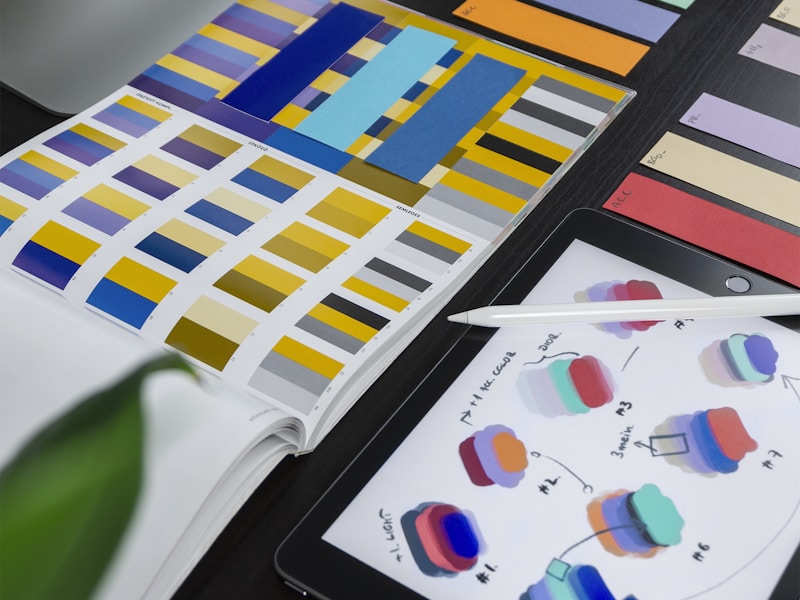
Choosing the right colors and typography can make or break a design. AI tools can analyze brand guidelines, design trends, and psychological principles to suggest color palettes and font combinations that enhance your design's effectiveness. These intelligent assistants help designers make informed decisions while maintaining creative control.
AI design tools don't replace creativity—they amplify it. The best designers use AI to handle repetitive tasks and technical decisions, freeing them to focus on the creative vision and strategic thinking that truly sets great design apart.
— Professional Designer
Vector and Logo Design AI Tools
Logo and vector design require precision and scalability, making them perfect candidates for AI assistance. Modern AI tools can generate vector graphics, create logo variations, and ensure designs work across different sizes and applications. These tools are particularly valuable for designers working on branding projects.
UI/UX Design Automation Tools
User interface and user experience design benefit significantly from AI automation. Tools can generate wireframes, suggest component layouts, optimize user flows, and even conduct automated usability testing. These capabilities help UX designers focus on user research and strategic decisions while AI handles routine design tasks.
- Automated wireframe generation
- Component library suggestions
- User flow optimization
- Accessibility compliance checking
- Responsive design adaptation
- Prototype generation and testing
3D Design and Modeling AI Tools
3D design has traditionally required specialized skills and software, but AI tools are making 3D creation more accessible. From generating 3D models from 2D images to automating texture creation and lighting setup, AI is revolutionizing 3D design workflows. These tools are opening up new creative possibilities for designers without extensive 3D experience.
Design Asset Management and Organization
Managing design assets efficiently is crucial for productivity. AI-powered asset management tools can automatically tag, categorize, and organize design files, making it easy to find and reuse assets. These tools also suggest similar assets and help maintain design consistency across projects.
Comparing Top AI Design Tools: Features and Pricing
With so many AI design tools available, choosing the right ones can be overwhelming. This section provides detailed comparisons of top tools, including their strengths, limitations, pricing models, and best use cases. Understanding these differences helps designers build a toolset that fits their workflow and budget.
Integrating AI Tools into Your Design Workflow
Successfully integrating AI tools into your design workflow requires understanding how they complement traditional design processes. The most effective approach combines AI automation with human creativity and judgment. Learning to use AI tools as creative assistants rather than replacements helps designers maintain quality while increasing efficiency.
- Start with tools that solve specific pain points
- Learn one tool thoroughly before adding others
- Maintain quality standards and human oversight
- Experiment with different workflows
- Stay updated with new features and tools
- Build a personalized toolset over time
The Future of AI Design Tools
AI design tools are evolving rapidly, with new capabilities emerging regularly. Future developments may include real-time collaborative AI design, fully automated brand identity creation, and AI that understands and adapts to individual design styles. Staying informed about these developments helps designers prepare for the future of design work.
Conclusion: Building Your AI Design Toolkit
The best AI design tools can significantly enhance your productivity and creative capabilities, but success comes from choosing the right tools for your specific needs and learning to integrate them effectively into your workflow. By understanding the landscape of AI design tools, comparing options, and experimenting with different solutions, you can build a toolkit that helps you create better designs faster while maintaining the creative vision and quality that sets great design apart.